Category:
Heritage Landmark, Cultural & Religious Site
Location:
Zulueta Ave, Miagao, Iloilo
🍽️ Description
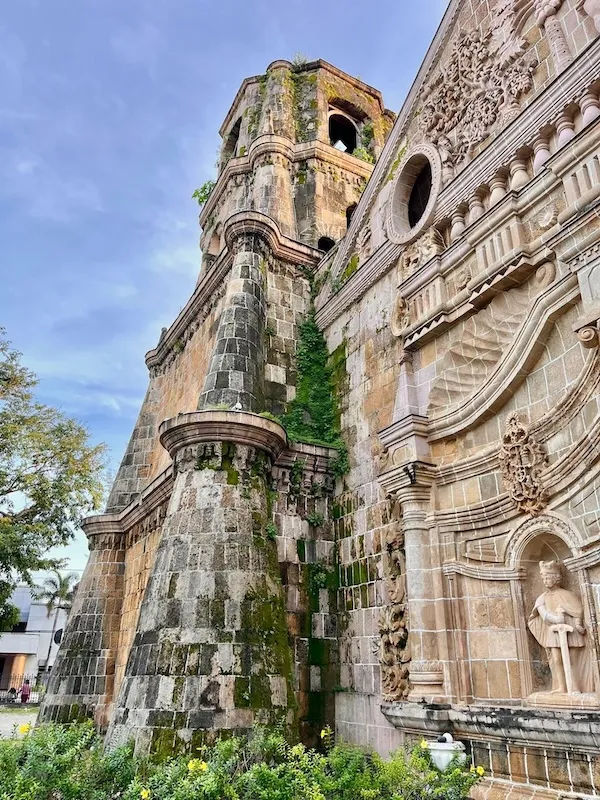
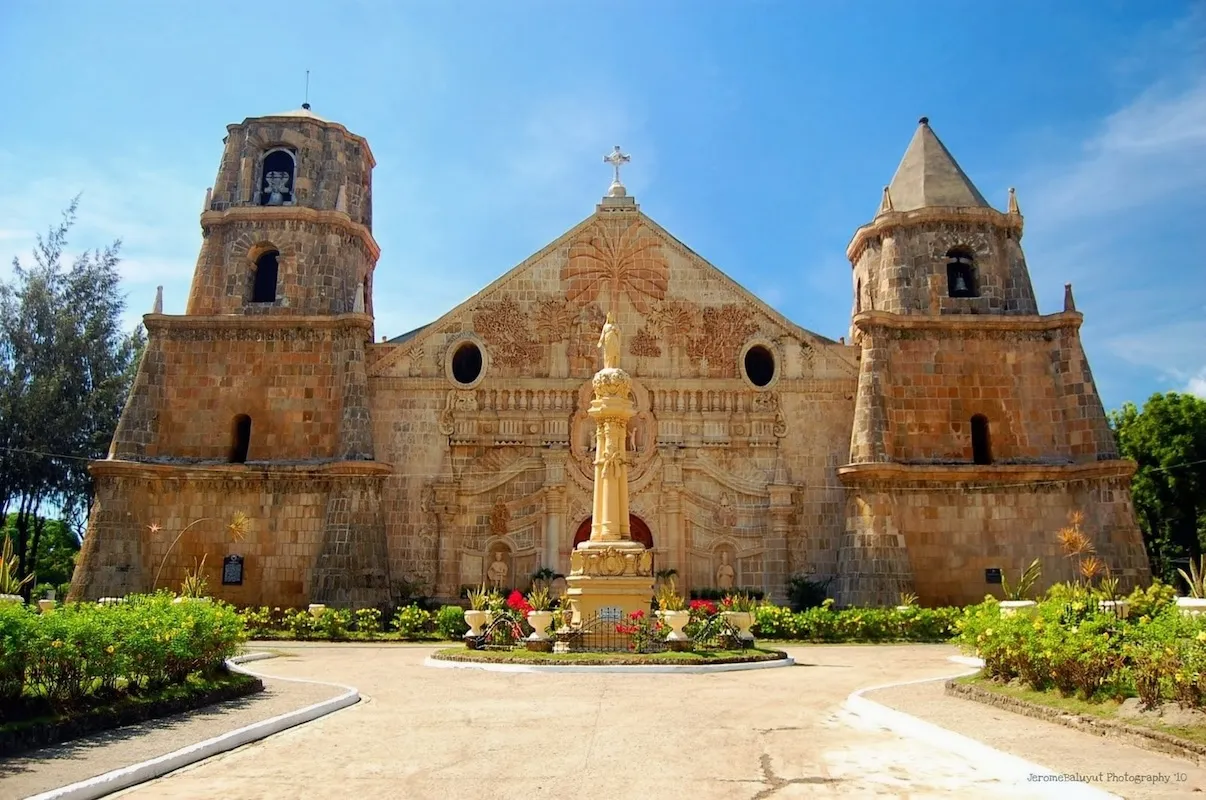
Miagao Church, officially the “Church of Santo Tomas de Villanueva,” stands proudly atop a hill in Miag-ao. Built between 1787 and 1797, it was designed not only as a place of worship but also as a fortress thick stone walls, deep foundations, and massive buttresses gave protection during a time of raids and natural disasters.
In 1993, Miagao Church was inscribed as a UNESCO World Heritage Site under the collective designation Baroque Churches of the Philippines, recognized globally as one of the finest surviving examples of “Fortress Baroque.”
🏆 Highlights
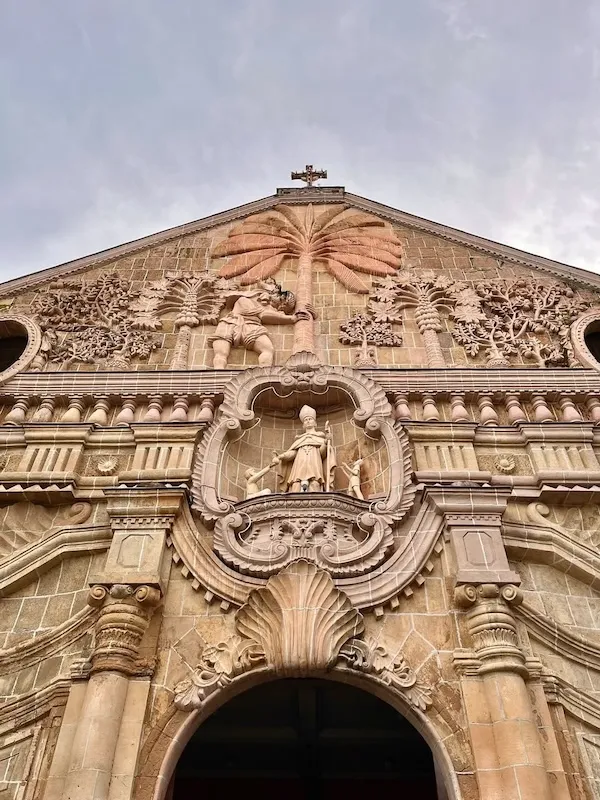
- Stunning stone façade carved with native and religious motifs a beautiful fusion of cultures.
- Fortress-church architecture: deep foundations, thick walls and buttresses that reflect resilience against raids and natural disasters.
- Historical resilience: the church has withstood pirate attacks, revolts, wars, fires, earthquakes and still stands majestic today.
- Active heritage site: a living parish you can feel its continued spiritual and cultural significance.
- UNESCO World Heritage status, recognized for global cultural value and architectural significance.
💡 Why Go
- To witness one of the Philippines’ most iconic heritage churches — a blend of art, faith, and history.
- For a glimpse into Spanish-colonial era architecture and how locals adapted it to native sensibilities.
- To enjoy a peaceful, meaningful visit whether you’re spiritual or simply curious about history and crafts.
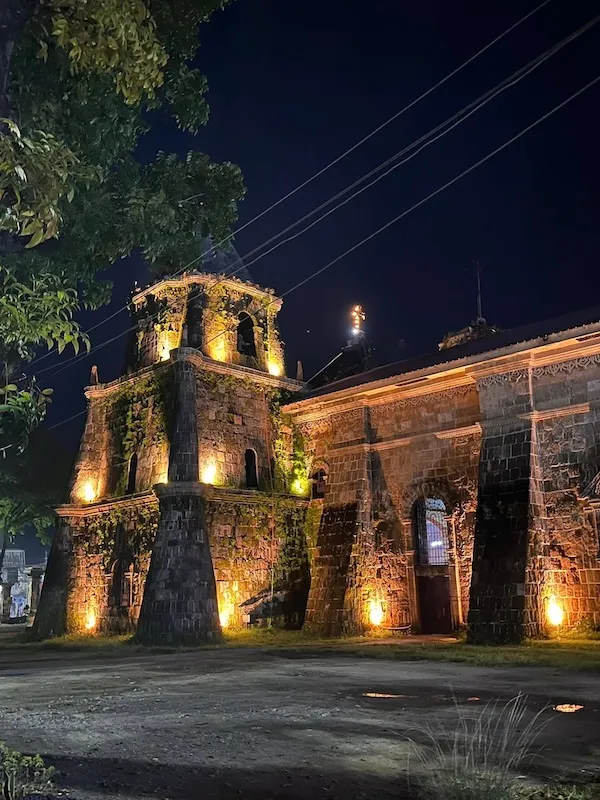
- To take memorable photos, the façade and bell-towers look even more magical at sunrise or sunset.
- To appreciate the legacy of heritage preservation: what you see today survived centuries of conflict, calamities, and still holds pride of place in Miag-ao.
🧭 Lakatta Tip
Plan your visit early in the morning or late afternoon, soft light makes the facade carvings come alive and it’s cooler to wander. Dress modestly (as it’s an active parish) but feel free to stay awhile, observe the altar, admire the architecture, and soak in the history. If you can, visit during a local fiesta the atmosphere becomes even more lively, with community, history, and faith all around.